
Can you really reverse sun damage? What your skin can – and cannot – recover from
August 10, 2026
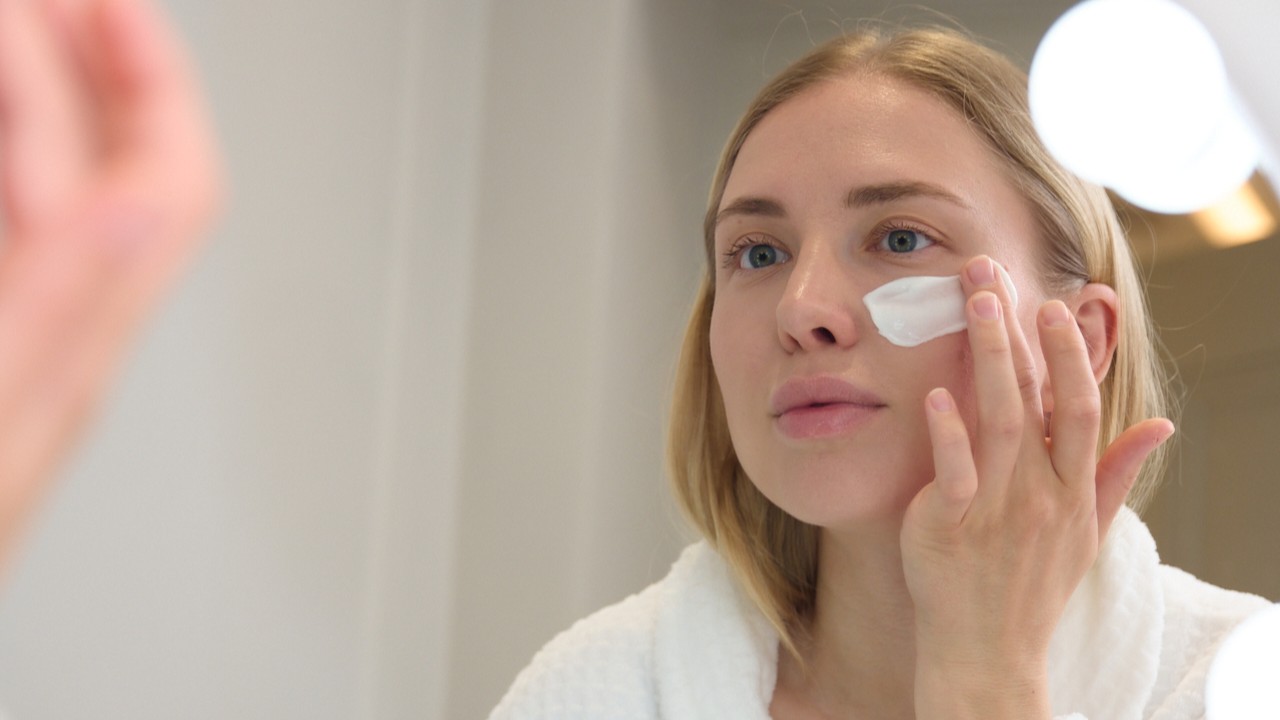
Understanding pigmentation, collagen loss and what modern aesthetic medicine can realistically do after years of sun exposure.
Summer in London may not always feel intensely sunny, but ultraviolet exposure is still one of the most important environmental factors affecting the skin.
And after holidays, outdoor lunches, weekends away and long days outside, many patients begin to notice changes they did not have at the beginning of the season:
A few new brown spots.
More uneven skin tone.
Fine lines that suddenly seem more visible.
A rougher texture.
Skin that looks dull despite following a good skincare routine.
The natural question is:
Can the damage actually be reversed?
The answer is more nuanced than a simple yes or no.
At Dubova Beauty, we believe that understanding what has happened to your skin is the first step towards choosing the right treatment. Some signs of photoageing can be significantly improved. Others can be managed and prevented from progressing further. And some changes require realistic expectations and long-term maintenance.
The goal is not to promise that every sign of sun exposure can disappear.
It is to help your skin become healthier, more even and more resilient.
Sun damage is much more than pigmentation.
Ultraviolet radiation affects different structures within the skin and can contribute to:
Some of these changes develop gradually over many years.
This is why someone may suddenly notice pigmentation or fine lines in their forties even though the underlying process began much earlier.
Photoageing is cumulative.
Every summer adds to the story.
Yes—but only to a certain extent.
The skin is remarkably capable of regeneration. Its natural renewal processes continuously replace damaged cells and repair everyday environmental stress.
However, repeated UV exposure can cause changes deeper within the skin, including damage to collagen and elastin.
Once structural changes become established, the skin may not be able to restore itself completely without additional support.
This is where modern aesthetic medicine can play a role.
Pigmentation is one of the most common concerns we see after periods of increased sun exposure.
But not all pigmentation is the same.
Brown spots may result from different processes, including sun-induced pigmentation, post-inflammatory hyperpigmentation, melasma and other conditions.
This distinction matters.
A treatment that is appropriate for one type of pigmentation may not be suitable for another.
This is why professional assessment should always come before selecting a device or procedure.
Unlike superficial pigmentation, collagen loss occurs deeper within the skin.
UV radiation can contribute to collagen degradation and changes in the organisation of the dermal matrix.
Over time, this may contribute to:
Collagen cannot simply be “replaced” with a single treatment.
Instead, modern aesthetic medicine focuses on stimulating the skin’s own regenerative processes and supporting collagen remodelling over time.
There is no universal treatment for photoageing.
At Dubova Beauty, the approach depends on the type of damage, your skin type, pigmentation history, lifestyle and how much sun exposure you are likely to have.
Depending on your individual needs, treatment options may include:
For patients primarily concerned with dullness, dehydration, congestion and loss of radiance, HydraFacial® can be an excellent way to refresh the skin.
It combines cleansing, exfoliation, extraction and hydration to support smoother, healthier-looking skin.
It is particularly useful as part of ongoing skin maintenance.
Microneedling uses controlled micro-injuries to stimulate the skin’s natural healing response.
Over a course of treatments, this can support collagen production and improve the appearance of uneven texture, fine lines and certain types of scarring.
Treatment timing is important, particularly after significant sun exposure.
Morpheus8 combines microneedling with radiofrequency energy to target deeper layers of the skin.
It is designed to support collagen remodelling and can be considered for patients concerned with skin laxity, texture and overall skin quality.
Again, appropriate patient selection and treatment planning are essential.
Treatments such as Lumecca IPL and Candela Frax can be valuable tools for selected pigmentation and skin-quality concerns.
However, they are not treatments we recommend simply because someone has returned from a sunny holiday with darker pigmentation.
Active tanning and recent significant sun exposure can increase the risk of complications, including unwanted pigmentary changes.
For this reason, IPL and fractional laser treatments are often better scheduled during periods when UV exposure is lower and the skin is no longer recently tanned.
At Dubova Beauty, we assess your skin and recent sun exposure before recommending any light- or laser-based procedure.
Important: if your skin has recently been exposed to significant sunlight or is visibly tanned, please do not book an IPL or laser treatment without a professional assessment first.
Absolutely.
Professional treatments are only one part of the picture.
A consistent home-care routine can help protect the results of professional treatments and reduce further environmental damage.
Depending on your skin, this may include ingredients such as:
However, stronger does not always mean better.
Using multiple active ingredients simultaneously can irritate the skin and potentially worsen some pigmentation problems.
Your skincare routine should be personalised rather than built around social-media trends.
This is perhaps the most important message we want patients to take away.
Aesthetic medicine can improve many signs of photoageing.
But prevention remains the most effective strategy.
Daily broad-spectrum sunscreen, sensible sun behaviour and appropriate protective clothing can significantly reduce cumulative UV exposure.
This is particularly important after undergoing treatments that temporarily increase the skin’s sensitivity to sunlight.
This is a very important question.
Some pigmentation conditions—particularly melasma—can be chronic and influenced by factors beyond UV exposure.
Even when pigmentation improves considerably, it may return if triggering factors are not controlled.
This does not mean treatment has “failed”.
It means pigmentation management often requires a long-term strategy rather than a one-off procedure.
At Dubova Beauty, we focus on managing the underlying tendency as well as improving the visible appearance of the skin.
One of the most common mistakes patients make is trying to correct sun damage immediately after a holiday.
More aggressive treatment is not necessarily better.
If the skin is recently tanned, irritated or dehydrated, the priority may be recovery and barrier support rather than intensive procedures.
This is particularly important when considering IPL and laser treatments.
Sometimes the best treatment decision is simply to wait.
That is an important part of responsible aesthetic medicine.
Rather than asking:
“Can you remove all my sun damage?”
A better question is:
“What can we safely improve, and how can we prevent further damage?”
This approach creates much more realistic expectations.
At Dubova Beauty, our goal is not to erase every sign of ageing.
It is to improve skin quality while respecting the biology of your skin.
Not always. Some pigmentation, texture changes and signs of photoageing can be significantly improved, while established structural changes may require ongoing management.
There is no universal number of days that is appropriate for everyone. Recent tanning and UV exposure need to be assessed before treatment. Your practitioner will advise when it is safe to proceed.
Some skin treatments may be suitable during summer, while others require more careful planning. The decision depends on your skin type, pigmentation, sun exposure and the treatment being considered.
Consistent sun protection is one of the most important steps you can take to reduce ongoing UV-related skin damage.
At Dubova Beauty, we believe that beautiful skin is not created by chasing every imperfection.
It is created through understanding your skin, protecting it from preventable damage and choosing treatments based on evidence, individual needs and realistic expectations.
Sun exposure is part of life—especially during the summer months.
But with the right approach, we can help your skin recover from what can be improved, protect what can be preserved, and support healthier-looking skin for the years ahead.
Because the best aesthetic treatment is not simply about correcting yesterday’s damage. It is about protecting tomorrow’s skin.
HydraFacial® — hydration, cleansing and skin maintenance
Dermapen — microneedling and collagen stimulation
Morpheus8 — radiofrequency microneedling and collagen remodelling
Lumecca IPL — selected pigmentation and vascular concerns
Candela Frax — fractional laser skin resurfacing
Medical-Grade Skincare — personalised long-term skin support